Covid 19: Should we be concerned about the safeguards?

Covid 19: Should we be concerned about the safeguards?

There have been concerns over the ways that different governments have been collecting and presenting data during this COVID-19 pandemic.

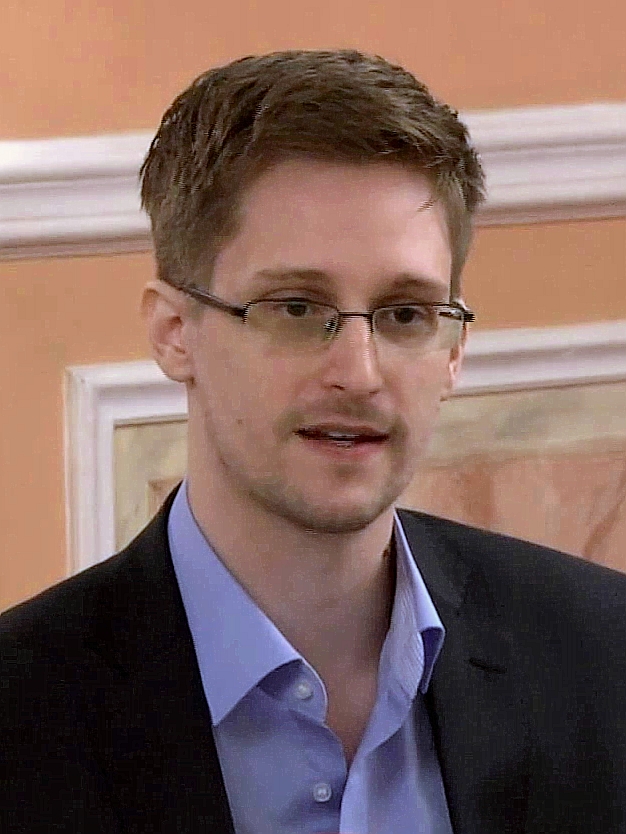
Edward Snowden spoke about this in an interview on Monday, April 6th, 2020. He said that increased surveillance as a result of the COVID-19 pandemic could cause citizens to lose their civil liberties even after the coronavirus pandemic.

American whistleblower Edward Snowden has been living in Russia, where he was granted asylum after leaking confidential government material in 2013.

Here are the highlights of his interview:

  • Different countries have been taking different measures in a bid to curb the increasing spread of the virus. Some of the measures, which all point towards increased surveillance, include tracking of individual mobile devices without permission or a warrant.
  • He said that also some states would demand access to people's health data

Some of you may recall that Edward Snowden was the same man who revealed the breadth of NSA spying in 2013.  Now, he has left the note of warning that increased surveillance as a result of the coronavirus could affect civil rights. This infringement, he explains, could continue even long after the virus is gone.

Edward Snowden said these in a video conference interview for the Copenhagen Documentary Film Festival. He warned that from a theoretical aspect, the new measures states are using to curb the COVID-19 pandemic are likely to be retained and will last even when the viral pandemic has elapsed.

He said that governments could send orders to all fitness trackers (this includes devices for checking pulse and heart rate) demanding access to user data even in the future.

He expressed concerns about how this could result within the next five years after the virus has subsided. He believes that the data will still be available to these governments. According to him, "they are likely not to stop using the resources available, and they may even apply artificial intelligence to process them. This entails that the government of said states already know what their citizens are searching up on the internet. They also know their citizens' heart rates, and they even know the direction where their mobile phones are moving. It would be easy for them to use the whole data at their sole discretion."

So far, no reports have been made of any state or government demanding access to health-related data from advanced wearable like the popular Apple Watch. This, however, doesn't dispel the fact that a lot of countries are rapidly introducing new surveillance methods in line with fighting the novel coronavirus. Normally decisions like these are made behind closed doors and given minimal if any media coverage. Government press release wordings are written in the manner of justifying these measures as a necessity for public health, and no privacy concerns are brought up.

Some European countries like the UK, Germany, and Italy have already made several deals with reputable telecom companies to create virtual heat maps showing the movement of people using anonymous aggregated data.

Israel has permitted their spy services to hack the phones of citizens without a warrant. Singapore also has devised means of tracking people who may have been exposed to the virus through the use of a smartphone app that monitors the coronavirus spread.While South Korea has gone as far as sending out warning text alerts to people who may have been exposed to the decease.

In Eastern-Europe, Poland created a system that ensures that its citizens are staying under quarantine with a downloadable app developed by the government. This app occasionally requests for selfies. Taiwan also devised means of tracking people on quarantine via an electronic system. They developed an electronic virtual fence system, which alerts the police department about any inappropriate movement made by patients on quarantine.

These new government policies leave room for a lot of skepticism. People can't help but wonder if they should be concerned about the safety of their private information.

OrangeWebsite's CEO - Henri K. Johannes commented regarding the news: "Nonetheless, normal people must educate themselves regarding "the whole package" that comes with these new laws and regulations, without neglecting the possibility of misuse of the collected data on a governmental level. It is also important remember that there are ways of extending the protection of your privacy by using already existing systems, such as VPN or data encryption."

The next months will show the direction each country will take on this matter. We will keep following the topic closely and update our readers if things change drastically. In a meanwhile, stay safe and care for one another.
What’s The Difference Between Whistleblower & Leaker?

What’s The Difference Between Whistleblower & Leaker?

Americans who get labeled a "whistleblower" become a hero. Get labeled a "leaker" and you could get branded a traitor and end up in jail. What's the difference? It all depends on the status of information shared and the channels that the information travels through to become public.

Whistleblower Protections: In essence, a whistleblower is a leaker of information that certain parties would have preferred to remain secret. To encourage people to come forward with information out of concern for public safety, there are U.S. statutes that protect whistleblowers. However, there is a fine line between being a protected whistleblower or a criminal leaker.

Status Of Information: Any American citizen can disclose corporate or government information so long as it is not federally classified information or disclosures prohibited by the Uniform Trade Secrets Act.

  • Trade Secrets: A patented product or process is one tangible example of a trade secret. Patent information is protected for 17 years. But companies and individuals enjoy protection of certain trade related information other than what is covered by a patent. However a trade secret is specifically defined, it enjoys legal protection.
  • Federal Information: There are generally three categories of federally classified material: sensitive, secret and confidential. Category is determined by who might be harmed if the information went public. However, material must be de-classified after it ages past the 25-year mark unless it meets a narrow exemption, such as designs for nuclear weapons.

Lifting The Veil: But what if it is in the best interest of the public that legally protected secrets be revealed? The difference between a whistleblower and a leaker is defined in the key decision on how to go about lifting the veil. To enjoy legal protection, a whistleblower must go through proper channels to bring the information to light. A leaker goes straight to the public. A whistleblower is legally protected from prosecution via the Whistleblower Protection Enhancement Act of 2012. A leaker doesn't have the same protection. That is why leakers often exercise their freedom of speech in ways that protect their anonymity.

Information might be leaked anonymously to a news agency or journalist. Leaking directly to the public through the Internet is also popular. Platforms like OrangeWebsite are committed to supporting freedom of speech and make it easy to go public in a global forum.

Why Go Rogue? If there are legal protections in place that allow a concerned citizen to bring important information to the public's attention, why risk legal trouble by becoming a leaker? There are usually three different circumstances that inspire a person to go rogue with classified information or trade secrets.

1. Frustration: A person trying to serve public interest by first going through the proper channels may become frustrated if they experience stonewalling. The wheels of bureaucracy oftentimes churn quite slowly. A concerned citizen may have had every intention of being a protected whistleblower. They had a reasonable expectation of believing in "the system". They wanted to put an end to improper corporate practices, abuse of authority or other circumstances they felt endangered the public or violated public trust. However, should they become anxious, awaiting results from their appropriate action of bringing attention to the matter within the proper channels, they might decide to go rogue. Especially if they believe that lives are at stake.

2. Money: Where trade secrets or military intelligence is concerned, the pay-out of a lifetime could become an irresistible temptation even for the most scrupulous concerned citizen. Enemies of the state and eagerly competitive entrepreneurs understand the value of such information. They are willing to pay to get their hands on what will surely be the information that will make their careers. The average citizen is no match for highly skilled negotiators tasked with securing sensitive information.

3. Political Motives: Although it is easy to ascribe political motives to many leaks that reveal embarrassing or compromising information about politicians, political motives can run much deeper. Sometimes there is real villainy attached to political motives behind a leak of classified information and trade secrets. Traditional politics can inspire a person to leak information that can endanger military and intelligence personnel. For countries engaged in wars, within the populace of their own country are those willing to do anything to resist and interfere in military action. But the definition of politics is more nuanced. Even a corporate environment has its own politics. A leaker of a trade secret could simply be a disgruntled employee seeking to sabotage an employer as a form of retribution.

Where The Government Stands: Although it may seem that the U.S. government is always up to something nefarious, the truth is that agencies strenuously encourage blowing the whistle on misconduct or wrongful acts. There are hotlines provided, such as the Office of Inspector Generals (OIG). Presidential directives prohibit employer retaliation toward a whistleblower. The U.S. Occupational Safety and Health Administration (OSHA) has a whistleblower website. The Office of Special Counsel (OSC) is tasked with investigating and prosecuting allegations received from whistleblowers. By making it easy to communicate to federal officials about concerns, the government is signalling to concerned citizens that the State does, indeed, care about doing the right thing. But a whistleblower must be patient, understanding that the investigative process is tedious, lengthy and, by its very nature, quiet. It may seem like nothing is happening when the exact opposite is true.

The Risk Of Going Rogue: Should a whistleblower throw their hands up in the air, grow impatient and cross the line to become a leaker, they put themselves at risk for prosecution. Should a case be made against them, their motive will be the hinge upon which their case will turn. Even if a motive is concern for the public, but a whistleblower became impatient with the process, the mood of the country could still result in the full weight of the law coming down. In a national climate that is strained by war, hostile politics, and a number of public actors who became notorious leakers escaping justice, it could be that the federal government seeks to make an example of a leaker and any leaker will do. Even a leaker with noble intentions.

For more information on issues related to freedom of speech, security and online privacy, please contact us. That is our mission, to provide the world with a platform for the words they wish to share with the world.

How Much Can a Whistleblower Get Paid?

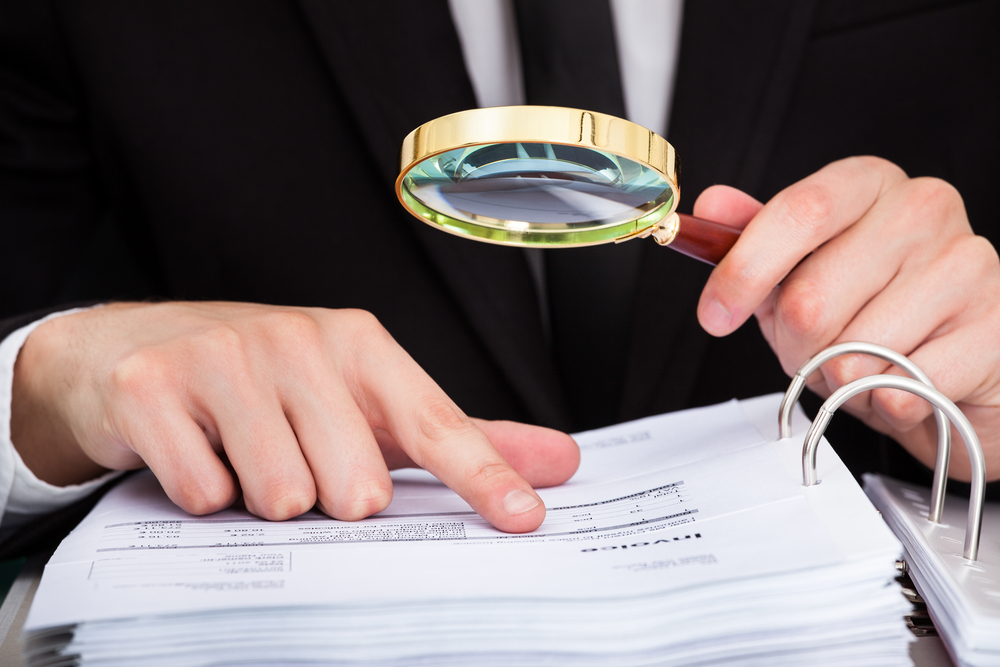
An image of businessman looking at document through magnifying glass.

Whistleblowers are making a big difference to many defrauding cases involving corporations and governments globally.

Being whistleblower has never been easy and is certainly at high risk situation. If you are willing to step up and put an end to any illegal or unethical practices, it is also possible that you are committing to the amount of career suicide. Whistleblowers are not usually promoted and they may lose their jobs completely. Whenever they try to get a different job in the same field they might find that they have been blacklisted as a result of doing the right thing.

It’s true that whistleblowers are entitled to a percentage of the settlement in any cases they are involved. The problem is even though there may be large sum of money involved, it can take years and sometimes decade for these cases to be completely settled. In the meantime, the whistleblower has to deal with some related negative consequences while waiting for that pot of gold at the end of the rainbow.

How much Whistleblowers Get Paid?

In the United States for instance, according to the False Claims Act (a government effort to recover damages from fraudulent Medicare and Medicaid charges, defence and construction contracting, and importing), in a normal case they are entitled to 25-30 percent of the proceeds from the suit. In cases where the government steps in and takes primary responsibility for the suit, a whistleblower is only entitled to 15-25 percent of the proceeds. Of course, the penalty for defrauding the government may vary from $5,500 to $11,000 per charge, so the charges can stack up quickly.

When do Whistleblowers Get Paid?

Whistleblowers don’t get paid until the suit has been brought to a close and the full amount of money is paid to the government. While that might sound simple, truly complex cases of fraud can take many years and countless hours of courtroom session before decision is rendered or settlement is reached. During that time they are often blacklisted in their field, which can lead to a significantly reduced standard of living (assuming that the whistleblower can get another job) to them and any dependents.

Money is just one of many factors that whistleblowers have to consider, but it is important. On one hand, it is quite possible that whistleblower might receive hundreds of thousands of dollars or more for reporting the fraud. It is also possible that they’ll have to wait years before seeing any of that money.

At the end of the day, being a whistleblower is a very risky endeavour. Contact us, in case you have any questions regarding our services or your privacy on the internet.

The Risks of Being a Whistleblower

An image of a whistleblower with his co-workers in black and white.

Being a whistleblower can also be very difficult in terms of the stress and anxiety associated with standing up to powerful corporate or government interests.

We all like to think that we would do the right thing if we knew about an illegal or harmful act taking place in our midst. But when we discover our employers doing something wrong, whether it’s ignoring safety regulations, stealing wages, or committing other crimes, it can be extremely difficult to blow the whistle. That’s because there are often some significant risks involved in becoming a whistleblower. These risks include;

Employer Retaliation

For someone who’s considering blowing the whistle on their employer, a primary fear is that said employer will retaliate against them. While there are laws in place meant to protect whistleblowers, they are often not enough. This means that those who point out wrong doing might be faced with a hostile work environment, scheduling upsets and demotion, or termination on a false pretence — or even outright termination in a place without strong employee-protection laws. For those with a family to support, this can be a very daunting risk.

Industry Blacklisting

So what if one employer gives you the boot, there’s a whole industry out there, right? Maybe, but if you’re known as a whistleblower then even companies who don’t have anything to hide may be reluctant to hire you. It may be necessary for you to leave your field entirely, or it might mean that the only job you can get is an entry-level position from which you won’t be promoted. In extreme circumstances whistleblowers simply won’t be able to get a new job, period.

Legal Consequences

While speaking up about illegal activity is a noble thing to do, it’s also possible for whistleblowers to be caught up in the punishment that comes with the crime. Often, they’ll have to face charges of their own for being part of the crime in the first place, which can make them even more reluctant to stand up and say something (even though blowing the whistle may result in a lighter sentence).

Professional Violations

In many cases being a whistleblower may violate a contract or a professional obligation. In these instances, there may be additional penalties such as civil suits for breaching agreements and confidences.

But Whistleblowers Get Paid, Right?

It’s true that whistleblowers are entitled to a percentage of the settlement of any case in which they are involved. The problem is that even though there may be large sums of money involved, it can take years (sometimes decades) for these cases to be completely settled. In the meantime, a whistleblower has to deal with the negative consequences of the decision while waiting for that pot of gold at the end of the rainbow.

At the end of the day, being a whistleblower is a very risky endeavour. We can certainly help you to remain anonymous with your website. Contact us, in case you have any questions regarding our services or your privacy online.